Process Communication, from the source
The Process Communication Model (PCM) is a communication and self-knowledge model created by the American psychologist Taibi Kahler. It describes six personality types present in each of us, in an order of our own, and shows how to speak to each person in their own language, including under stress.
- Creator
- Dr Taibi Kahler, psychologist
- Award
- Eric Berne Memorial Scientific Award, 1977
- NASA
- Used for close to twenty years in astronaut selection
- Six types
- Thinker, Persister, Harmonizer, Imaginer, Rebel, Promoter
Why learn PCM from the source?
Jérôme Lefeuvre was a Certifying Master Trainer for Kahler Communication. He wrote six master classes and created the Process Com Recrutement module. He translated and adapted into French Kahler’s reference book, The Process Therapy Model, published by Eyrolles in 2010 as « Le grand livre de la Process Thérapie ». In 2010 he also reviewed his own first book, « Découvrir la Process Communication », page by page with Kahler; it has since been translated into English and Dutch.
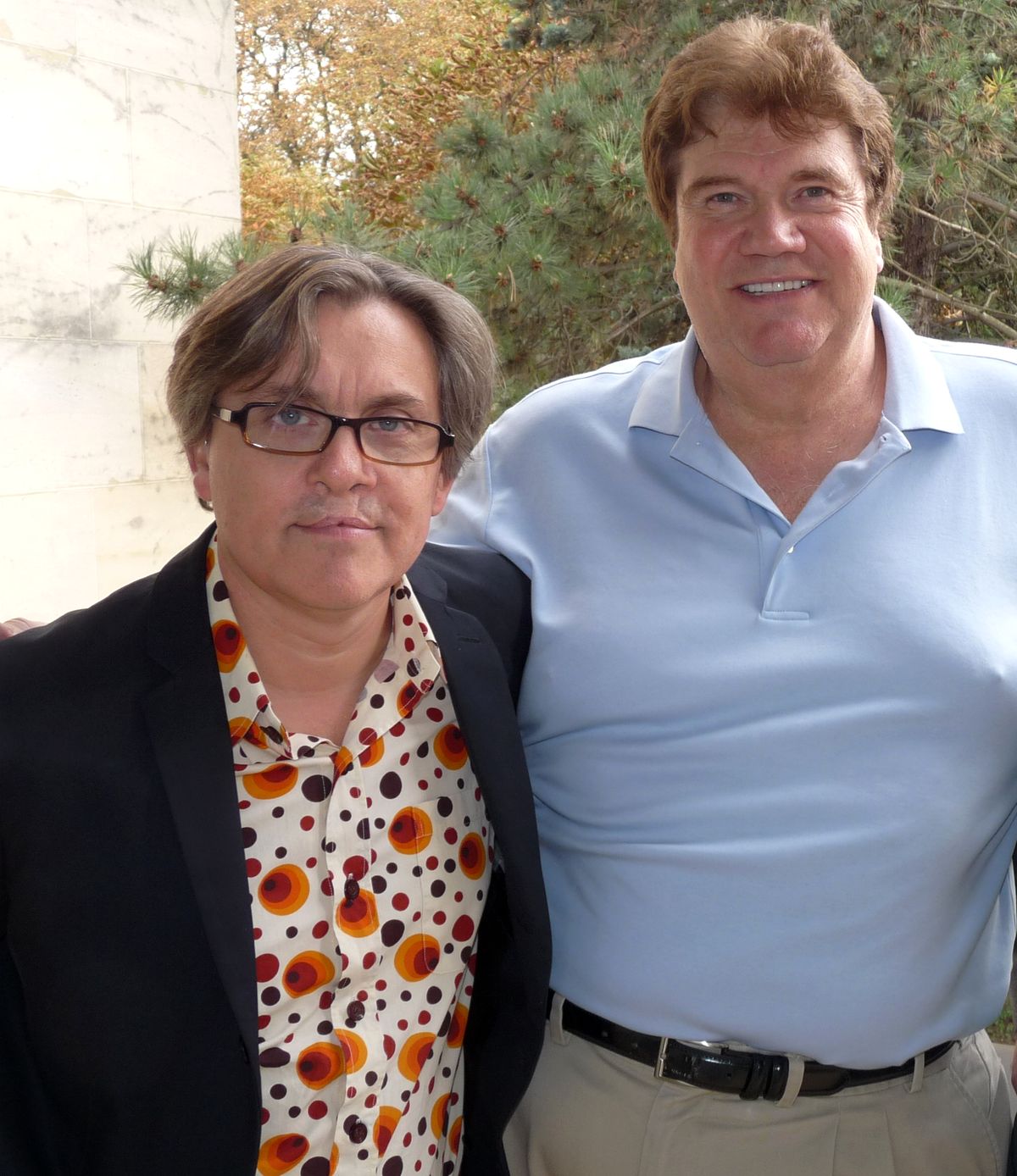
Taibi Kahler recommends his seminars and his coaching.
Alongside Taibi Kahler
- 1997
Jérôme Lefeuvre gains his Process Communication certification with Taibi Kahler, in Vincennes.
- 1999 to 2005
He interprets for Taibi Kahler at his trainer certifications in France.
- 2005
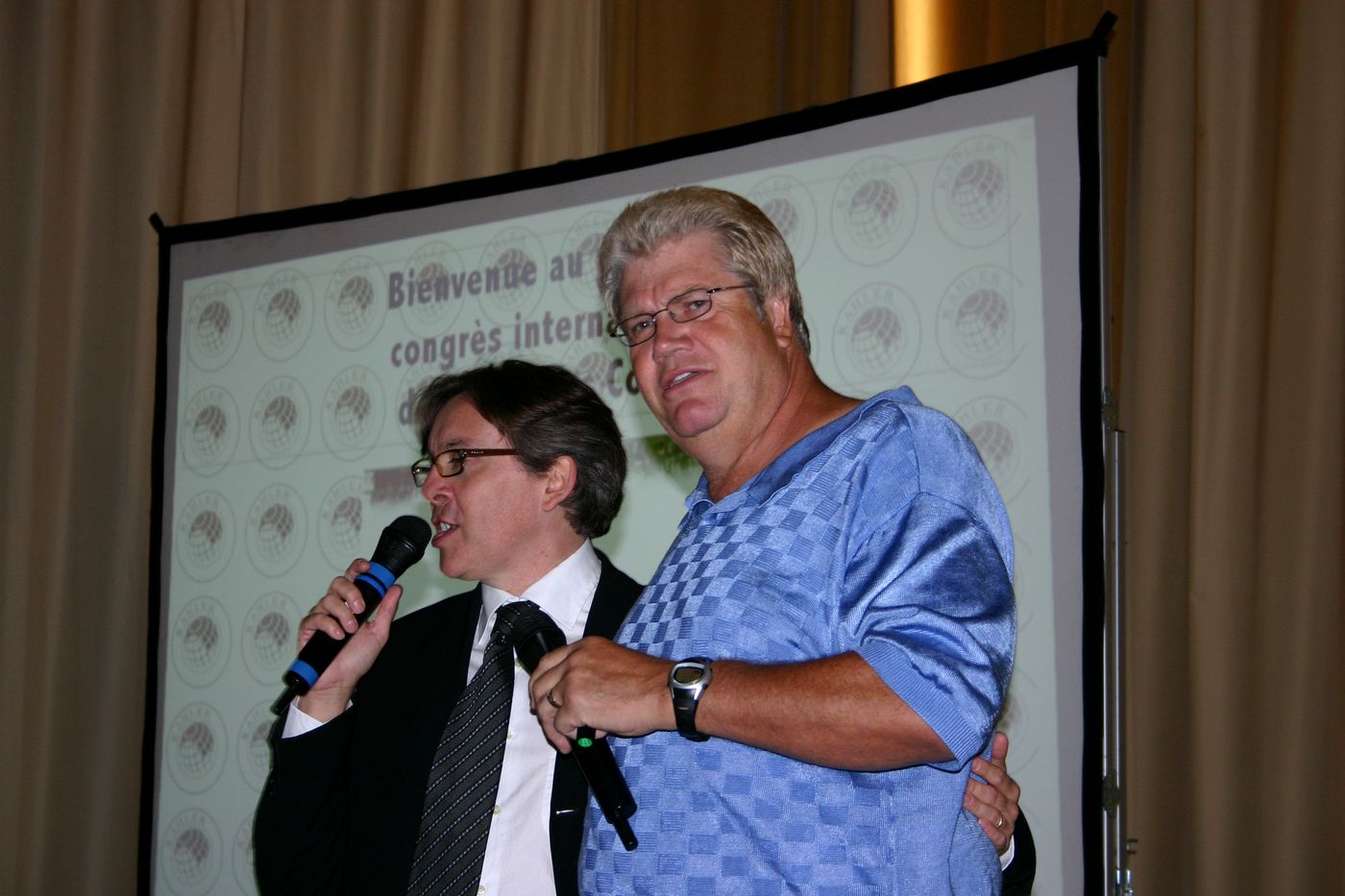
First International Process Communication Congress in Paris, on stage with Taibi Kahler.
- 2006
He earns his Master Trainer diploma in July, at Taibi Kahler’s home in Hot Springs, Arkansas. First edition of « Découvrir la Process Communication », which has since sold more than 15,000 copies.
- 2006 to 2020
As a Master Trainer, he certified new trainers in France and, on occasion, in other countries, until he left Kahler Communication in 2020.
- 2008
First edition of « S’entraîner à la Process Communication », which has since sold more than 8,000 copies.
- 2010
Eyrolles publishes « Le grand livre de la Process Thérapie », his translation and adaptation of Kahler’s reference book. He reviews « Découvrir la Process Communication » page by page with Kahler. Joint seminar on emotional issues.
- 2014
In Tokyo, Taibi Kahler awarded him the title of Certifying Master Trainer.
- 2020
Paperback edition of « Découvrir la Process Communication ».
- 2021
Paperback edition of « S’entraîner à la Process Communication ».
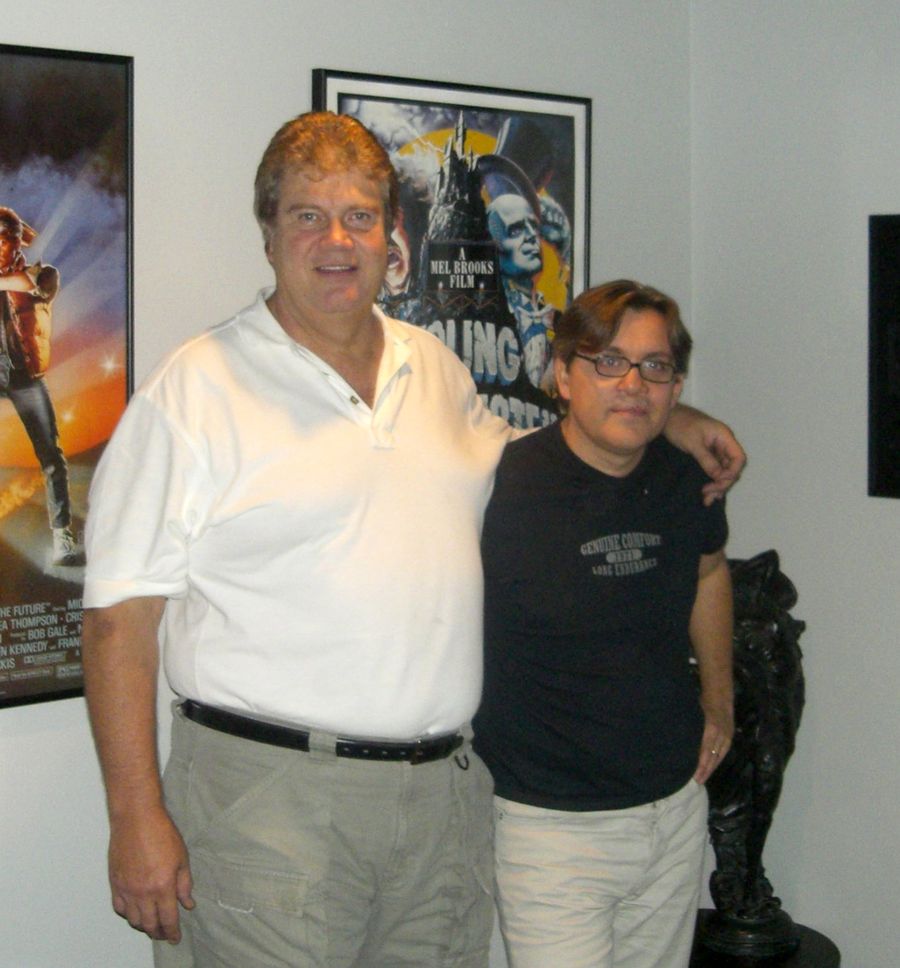
More than 800 trainers certified, six master classes written and the Process Com Recrutement module created within Kahler Communication.
The six personality types
Kahler describes six types. Each speaks its own language, sees the world in its own way and has its own psychological needs. We all have the six, to varying degrees.
Thinker
The language of facts, logic and organisation.
Persister
The language of values, commitment and conscientiousness.
Harmonizer
The language of emotions, care for people and warmth.
Imaginer
The language of reflection and imagination: we picture ourselves in the action.
Rebel
The language of reactions, creativity and humour.
Promoter
The language of action, challenge and results.
PCM describes preferences, not labels. We say “a person with a Persister Base”, not “a Persister”.
Base and Phase: the personality building
Kahler pictures personality as a six-storey building. On the ground floor is the Base: the most developed type, the one of our natural language, which stays the same throughout life. Above it, the other five types are stacked in an order unique to each person.
The Phase is the type whose psychological needs we seek at a given period of life. Some people change Phase during their lives: they then change motivations.
Under stress: spotting the first signs
Kahler identified behaviours that signal the onset of stress, which he calls drivers: Be Perfect, Please Others, Be Strong and Try Hard. A person who shows one is starting to lack what they need.
Spot the driver
An over-detailed explanation, a yes meant to please, a hidden emotion, a rambling sentence.
Identify the need
Recognition of work, recognition as a person, conviction, contact, reflection or action: each type has its own.
Respond to the need
Speak the other person’s language and meet their need. You prevent escalation before it starts.
Process Communication at work
A manager with a Promoter Base expects results. A team member with a Harmonizer Base expects to be recognised as a person. With PCM, each person spots the other’s language and adjusts their own: in management, recruitment, negotiation and leadership teams.
I use PCM alongside the Systemic Resonance Model (MRS®) and the Karpman Triangle: seeing the organisation, reading the relationships, understanding the people. Support for leadership teams
A PCM programme designed for your teams
Do you want to train your teams in Process Communication? Jérôme Lefeuvre designs the programme with you, around your challenges, and runs it himself, in French or in English. Choose a slot in his calendar to talk about it.
Book a 30-minute callThe 303 seminar, for certified practitioners and true enthusiasts
Eric Berne created the 202 seminar to advance Transactional Analysis with models other than his own. In the same spirit, Jérôme Lefeuvre runs the “303” seminar: certified PCM coaches, trainers and practitioners, and true enthusiasts of the model, explore Kahler’s research alongside Transactional Analysis, the Karpman Process Model and Paul Ekman’s work on emotions.
Theme for 2027: emotions at the heart of our relationships. In Paris in January and in Perpignan in May; the seminar is held in French.
Discover the 303 seminarJérôme Lefeuvre’s books on PCM
- « Découvrir la Process Communication »Jérôme Lefeuvre’s first book, reviewed page by page with Taibi Kahler in 2010 (in French)
- « La Process Communication. Se comprendre pour comprendre les autres »Paperback edition of « Découvrir », 2020 (in French)
- Discover the Process Communication ModelEnglish translation of « Découvrir »
- Ontdek Process CommunicationDutch translation of « Découvrir »
- « S’entraîner à la Process Communication au quotidien »Thirty days of exercises, with forewords by Gérard Collignon and Taibi Kahler (in French)
- « Le grand livre de la Process Thérapie », by Taibi KahlerTranslated and adapted by Jérôme Lefeuvre from Kahler’s reference book, The Process Therapy Model. Eyrolles, 2010; new edition 2024
Train your teams in Process Communication
Jérôme Lefeuvre trains managers and teams in Process Communication, in management and in recruitment, in French or in English. Let’s talk about your project.
Your questions about Process Communication
What is Process Communication?
A communication and self-knowledge model created by the American psychologist Taibi Kahler. It describes six personality types present in each of us and shows how to speak to each person in their own language, including under stress.
Who created Process Communication?
Taibi Kahler, an American psychologist who earned his PhD at Purdue University in 1972. In 1977 he received the Eric Berne Memorial Scientific Award from the International Transactional Analysis Association.
Did NASA use Process Communication?
Yes. From 1978, Terry McGuire, the psychologist in charge of assessing NASA astronauts, used Kahler’s method in their selection, and did so for close to twenty years.
What are the six personality types?
Thinker, Persister, Harmonizer, Imaginer, Rebel and Promoter. Each speaks its own language, sees the world in its own way and has its own psychological needs.
What are the Base and the Phase?
The Base is a person’s most developed type, the one of their natural language; it stays the same throughout life. The Phase is the type whose psychological needs a person seeks at a given period of life; some people change Phase during their lives.
How can I train in Process Communication?
With Jérôme Lefeuvre, who was a Certifying Master Trainer for Kahler Communication: he trains managers and teams in companies, in French or in English. Certified practitioners take the model further with him in the 303 seminar.
Sources: Taibi Kahler, Wikipedia; Quartz, 2015, on NASA astronaut selection.

Comments are closed.